Water Bill Suddenly High in Redwood City? Do These 5 Checks First
The single most common cause of a high water bill Redwood City residents call us about is a leak that never shows itself — no puddle, no drip, no stain, just a meter quietly spinning day and night. A toilet that runs around the clock or a cracked line under the yard can add thousands of gallons a month, and documented homeowner cases run from 9,000 to 27,000 extra gallons in a single billing cycle with zero visible water. Before you pay anyone to find it, run these five checks. Together they take about an hour, cost nothing but a few drops of food coloring, and they will tell you whether you have a leak, roughly where it is, and whether it is time to bring in a specialist.
Check 1: The Meter Test — Know in 10 Minutes Whether You Have a Leak
Your water meter is the fastest truth-teller in the house: if it moves while nothing is running, water is escaping somewhere on your side of it. Here is the sequence. First, turn off everything that uses water — every faucet, the toilets, the washing machine, the ice maker, and the irrigation controller. Second, find the meter, usually in a covered box near the curb, lift the lid, and look for the low-flow indicator, a small triangle or dial. If it is turning, water is flowing right now. Third, run the house-valve split: close the shut-off valve where water enters your home (often near the front hose bib). If the indicator stops, the leak is inside the house or its plumbing. If it keeps moving, the leak is in the yard line between the meter and the house — the single most common culprit in the bill-shock stories we hear. Finally, for a slow leak the indicator barely shows, write down the meter reading, use no water for two hours or overnight, and read it again. Any change confirms a leak.
One caution from experience: digital meters can creep a tiny amount with pressure fluctuations in the street main, so a barely-there flicker is worth watching over a few hours rather than panic. A steady, continuous movement is a different story — that is real water, going somewhere, every minute of the day.
Check 2: The Toilet Dye Test — The Silent Bill-Killer
A toilet with a worn flapper or a faulty fill valve leaks silently, 24 hours a day, and never leaves a drop on the floor — it is the most common indoor cause of a mystery spike. The test takes fifteen minutes and no tools. Put a few drops of food coloring in the tank, do not flush, and wait 15 to 20 minutes. If color shows up in the bowl, water is passing the flapper seal around the clock. Test every toilet in the house, not just the one you suspect; in a two-bathroom home it is common to find one running and one fine. If a toilet fails the test, our toilet leak repair page covers the fix — it is one of the cheapest leak repairs there is, and it stops the waste the same visit.
Check 3: Irrigation — Redwood City's Summer Culprit
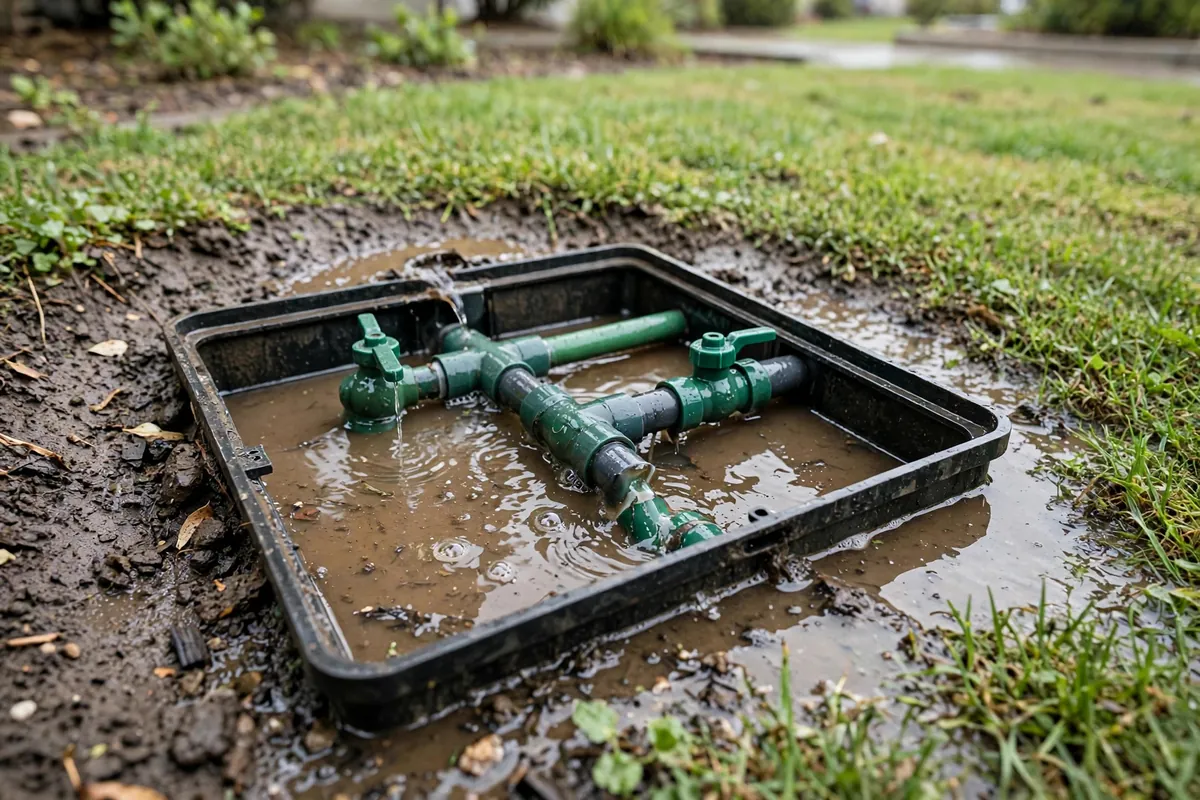
Outdoor lines are the other repeat offender here, and this city has a documented case that makes the point. A Redwood City resident left a garden hose running for two or three days one March and paid roughly $200 extra for it — then set a usage alert in the City's My Water portal, and that May the alert caught a broken irrigation line early, flagged by a puddle in the backyard. Walk your system: look for standing water in the valve box, a strip of lawn that stays soggy or grows faster than everything around it, sprinkler heads that seep or mist when the system is off, drip lines broken under mulch, and a controller whose schedule doubled after a power outage or a helpful relative's adjustment. If your spike started with the warm months, start here. Our irrigation leak repair service handles the line and valve faults this check turns up.
Check 4: Read Your Hourly Data in the City's My Water Portal
Redwood City's smart meters log your usage hour by hour, and the City's My Water portal shows it to you — this is the most underused leak tool in the city, and almost nobody competing for your attention will mention it. The pattern in the hourly graph is a diagnosis in itself. Usage that never reaches zero, flowing steadily at 3 a.m., points to a supply line or a toilet. Sharp spikes at the same hours each day point to irrigation. Normal daytime use with flat nights means no continuous leak at all, and your spike was an event — a hose, a guest, a filled pool — not a plumbing failure. Set a usage alert in the portal while you are in there; it is what turned one local resident's second irrigation leak from a billing surprise into a same-week fix. The City also partners with Flume on discounted smart water monitors that watch flow in real time, for homeowners who want that alarm to be automatic.

Check 5: The 15-Minute Indoor Sweep
The last check is a walk-through: water heater first — look for a puddle at the base, rust at the fittings, or a relief valve that drips into its drain line. Then the laundry room (washer hoses and the drain), under every sink, the refrigerator's ice-maker line at the back, and any hose bib that drips outside. Run a hand along supply lines; a line that is damp or growing green corrosion is seeping even if it never drips. Nothing here takes more than a minute per stop, and together these five checks account for the large majority of bill spikes we are called about.
How Much Water Can a Leak Actually Waste?
More than most people guess — leaks run every hour of every day, so even a modest one compounds fast. These are estimates; the real loss depends on your water pressure and the size of the opening, which is why two homes with the "same" leak can see very different bills.
| Leak Source | Estimated Loss |
|---|---|
| Slab leak (hot-water line under the floor) | 250 – 1,500 gallons/day |
| Running toilet (failed flapper or fill valve) | 200 – 1,000 gallons/day |
| Underground supply line leak | 300 – 900 gallons/day |
| Broken irrigation line or stuck valve | 150 – 800 gallons/day |
| Single dripping faucet | 20 – 35 gallons/day |
Read the chart against the meter math: 300 gallons a day is roughly 9,000 gallons a month — the low end of the documented spike stories — and it arrives on top of everything your household actually used.
When the Checks Say "Hidden Leak" — Call a Pro
If the meter moves with the house valve closed, the leak is underground in the yard line, and no amount of indoor checking will find it — that is a pinpointing job, done with acoustic and thermal equipment rather than a shovel and a guess. The same goes for a meter that never sits still combined with a warm floor spot or the sound of running water: those point under the slab. Our water leak detection service isolates the line, confirms it with a pressure test, and marks the exact spot before anyone opens anything, and our cost guide shows the published ranges for that work so you know what a fair quote looks like.
Whatever the checks find, document as you go: a photo of the meter reading, a screenshot of the hourly spike in the portal, and the repair invoice once it is fixed. One honest note on the bill itself — the City does not publish a leak-adjustment policy we can point you to, so nobody should promise you a reduction. And the SFPUC leak allowance you may read about does not apply to Redwood City homes: SFPUC supplies the water wholesale, but the City bills your house directly. What documentation does is give you something solid in hand if you call the City's utility billing office and ask what they can do — and it gets your repair, and the end of the leak, on record from day one.
High Water Bill Questions, Answered
My bill doubled but there is no water anywhere — where is it going?
Most often an underground supply line, a slab line, or a toilet that runs silently around the clock. None of the three has to show a drop of water inside the house. The meter test in this guide tells you within minutes whether water is escaping, and the house-valve split tells you whether it is inside the home or in the yard line.
How do I tell whether a leak is my problem or the City's?
Generally, the pipe from the meter to your house is the homeowner's side, and the City's responsibility stops at the meter. The house-valve test confirms it: shut off the valve where water enters your home — if the meter still moves, the leak is in the yard line between the meter and the house.
Can the water meter itself be wrong?
It happens, but less often than a real leak. Meters usually under-register as they age, and digital meters can creep slightly with pressure fluctuations, which is why a tiny flicker on the indicator is worth watching over a few hours. A steady, continuous move on the low-flow indicator almost always means real water going somewhere.
Will Redwood City lower my bill after I fix a leak?
The City does not publish a leak-adjustment policy we can point you to, so nobody can promise you an adjustment. Note that the well-known SFPUC leak allowance does not apply here — SFPUC supplies the water wholesale, but the City of Redwood City bills your home. What you can do is fix the leak fast, keep the repair invoice and your meter and portal records, and ask the City's utility billing office what they can do with that documentation in hand.
How quickly should I act on a sudden bill spike?
Today. A leak does not shrink on its own — a moderate one can add thousands of gallons a month, and the water is soaking into soil, slab or framing the whole time. The five checks in this guide take about an hour, and every billing cycle you wait is another cycle at the higher rate.
Can a running toilet really add that much to my bill?
Yes. A toilet that leaks from tank to bowl refills itself around the clock, and unlike a dripping faucet it does it silently, with nothing to see. It is one of the most common causes behind a sudden spike. The dye test in Check 2 takes a few minutes: food coloring in the tank, wait, and see whether color reaches the bowl without a flush.
How do the usage alerts in the My Water portal help?
They warn you before the bill does. The portal reads hourly usage from your home's AMI meter, and you can set an alert for unusual use — one Redwood City homeowner's alert caught a broken irrigation line early, from a puddle in the yard, well before the bill itself would have told them. The City also partners with Flume on discounted smart water monitors if you want leak alerts at the main line.
I rent my home. Who is responsible for a leak — me or my landlord?
The repair is normally your landlord's job. Under California law, keeping the plumbing in working, habitable condition is the landlord's responsibility, unless the tenant caused the damage. Your own damaged belongings are a separate matter — those fall under your renter's insurance, not the landlord. Tell your landlord in writing as soon as you suspect a leak: the City bills the account either way, and a running leak keeps adding to it while you wait.
Checks Point to a Hidden Leak? Get It Pinpointed.
If the meter will not sit still, the water is going somewhere — and every day it runs adds to the bill and soaks into the structure. One visit marks the exact spot and prices the fix in ranges, in writing.
Call (650) 632-9185 Request a Quote