Emergency Leak Repair Redwood City, CA
Water does not wait for business hours, and neither do we. Leak Detection Pros provides the emergency leak repair Redwood City, CA households need at 2 p.m. or 2 a.m. — burst lines, fittings that let go, water heaters flooding the garage. The order never changes: stop the water, protect the home, pinpoint the source, then quote the repair in a clear range before we touch a wrench.
Do This First: Shut the Water Off
The single most valuable thing in any leak emergency happens before we arrive: stopping the flow. A pressurized line can release hundreds of gallons an hour into walls and floors, and five minutes with the shut-off valve is the difference between a repair and a restoration.
Find the Main Shut-Off
Your main valve is usually at the water meter near the street or where the line enters the house by the front hose bib. Turn it clockwise until it stops.
Kill Power Where Water Spreads
If water is near outlets, a panel or appliances, switch off the breakers for that area. Water and live electricity are the one combination not to negotiate with.
Drain the Pressure
Open the lowest faucet in the house to bleed the lines so the leak slows to a stop instead of draining the whole system through the break.
Protect and Photograph
Move furniture, rugs and electronics out of the wet zone, set a bucket under active drips, and take photos — your insurer will want them, and they take thirty seconds now.
Then call (650) 632-9185. If you cannot find the shut-off or it will not budge, tell us on the phone — we will talk you through the meter shut-off while a crew is already rolling.
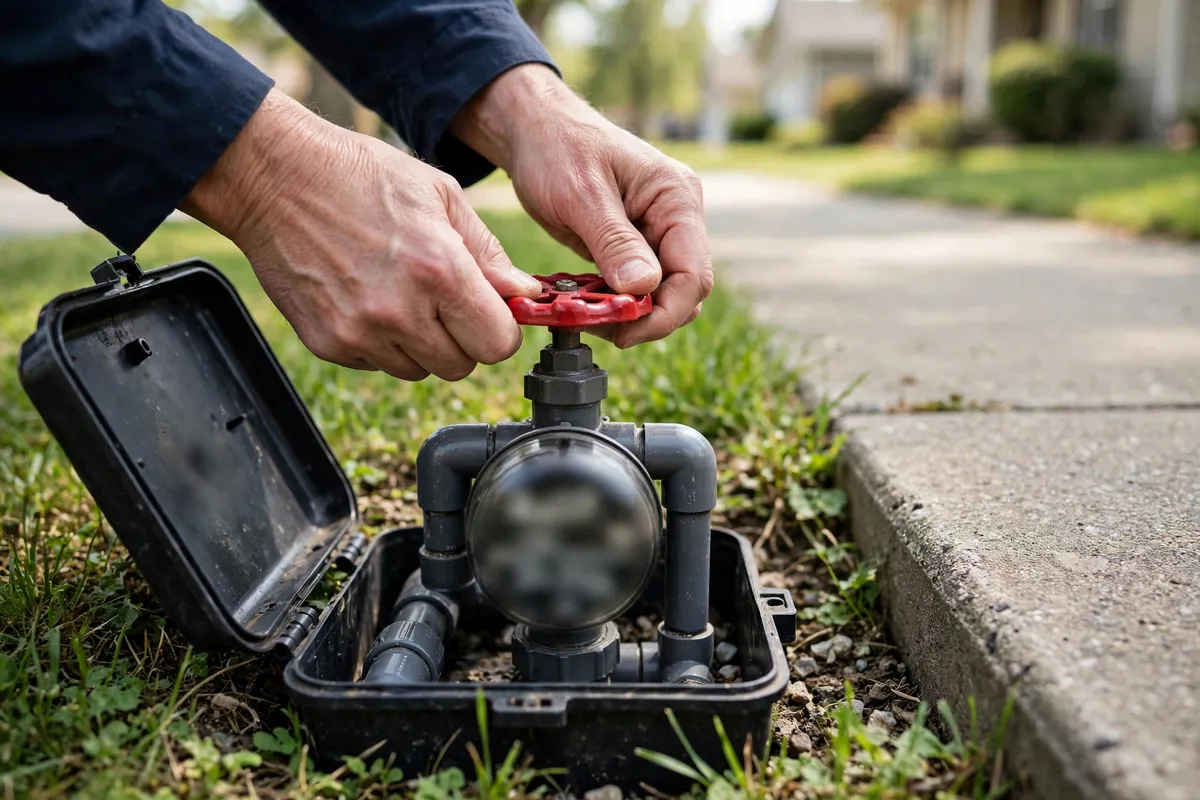
Know Your Shut-Off Before You Need It
Most Redwood City homeowners have never touched their main valve — until the night they need it in the dark. This weekend, find yours, check that it turns, and show everyone in the house where it is. Old gate valves in 1950s and 60s homes often seize or weep when finally forced; if yours does, that is a small planned fix now instead of a big problem later.
What Counts as a Leak Emergency
An emergency is any leak that is actively damaging the home or cannot be isolated — if water is spreading and you cannot stop it, it qualifies. The calls we roll on most:
- Burst or split supply lines — in walls, ceilings, crawl spaces and under slabs
- Water coming through a ceiling or light fixture from an upstairs bath or a roof-level line
- A water heater that ruptured or is flooding the garage or utility closet
- A slab leak that has surfaced — water pooling on floors or a suddenly flooded room
- Failed fittings and supply valves that will not close, including toilet and washing-machine lines
- Sewage backing up into tubs or floor drains — a main-line problem we handle through our sewer leak detection service
And an honest note in the other direction: a slow drip under a sink, a toilet that runs occasionally, or a damp spot that has not changed in weeks is not an emergency. Those are hidden leak problems, better handled on a scheduled visit — and if you call us about one at midnight, we will tell you exactly that rather than sell you a panic call-out.
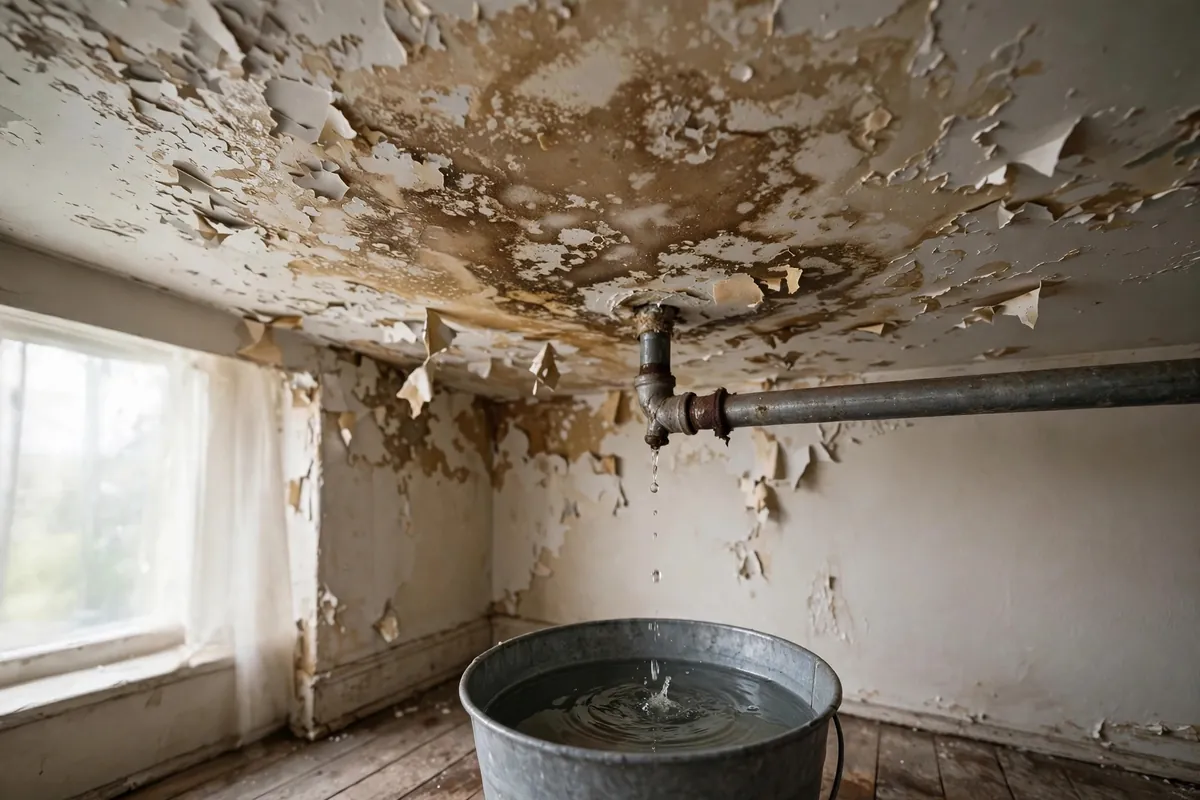
Water Moving Through Your Home Right Now?
Shut off the main valve, then call. The crew that answers is local, the price range is given before work starts, and stopping the water in the first minutes is what keeps a bad night from becoming a bad month.
How an Emergency Visit Works
It follows the same evidence-first process as every job we run — just compressed, and with stabilization first. Here is what happens after your call:
Stabilize
We confirm the water is off, isolate the failed branch if possible, and get the rest of the house safe and usable.
Pinpoint
Acoustic and thermal equipment finds the exact failure point — the discipline behind our leak detection process — so the repair opens one spot, not three.
Quote the Range
You get the repair options with price ranges in writing before work begins. No open-ended hourly meter running in a crisis.
Repair or Secure
Most failures are repaired on the spot. If the lasting fix is bigger — a reroute or new line — we secure the home and schedule it with the range locked in.
Document
You receive a written summary of the failure, the readings and the damage — the record your insurer asks for after a sudden water event.
On cost, the same transparency applies at 3 a.m. as at noon. Pinpointing the source falls inside the standard ranges — a basic inspection at $100–$300, electronic detection at $300–$800 — and repairs are quoted from what we find: a failed fitting or valve at the low end, a spot repair through a slab at $1,500–$3,500 at the high end. We serve every neighborhood on our locations page, from Downtown's older housing stock to the bayside homes of Redwood Shores, and the oldest homes — the 1940s-to-1970s builds that make up most of this city — are exactly where tired valves and original copper fail without warning. Knowing where your shut-off is, and having our number saved, is the cheapest insurance a Redwood City homeowner can hold.
Related Services
Slab Leak Detection
When the emergency is under the concrete — pinpointed before any slab is opened.
Learn more →Water Heater Leak Repair
Ruptured tanks, leaking valves and flooded garage floors, handled fast.
Learn more →Water Leak Detection
For the leaks that are not emergencies — hidden in walls, ceilings and yard lines.
Learn more →Emergency Leak Questions
What should I do first when a pipe bursts or water starts coming through the ceiling?
Shut off the main water valve — usually at the meter or by the front hose bib — before anything else. Then turn off power to any area where water is near outlets or appliances, open a low faucet to drain pressure, and move belongings and electronics out of the wet zone. Take a few photos for your insurer, then call us. Those first minutes of shut-off are worth more than anything that happens afterward.
Are you really available at night and on weekends?
Yes. The phone line is answered around the clock, every day of the year, and active water emergencies are dispatched ahead of routine work. If water is moving through your home right now, call rather than waiting for morning — a leak that runs all night does far more damage than the repair that stops it.
Will the leak be repaired on the same visit?
In most cases, yes. Once the water is stopped and the source pinpointed, the majority of emergency leaks — a burst fitting, a failed supply line, a leaking water heater — can be repaired or permanently capped on the spot. When the right fix is a bigger job, such as a reroute or repiping, we stabilize the home first, leave you with safe water service where possible, and schedule the full repair with a written range.
How much does an emergency leak repair cost?
It depends on what failed, and you will hear the range before work starts. Pinpointing the source falls in the usual detection ranges — a basic inspection at $100–$300 and electronic detection at $300–$800. Common repairs run from a few hundred dollars for a fitting or valve to $1,500–$3,500 for a spot repair through a slab. Detection and repair are quoted separately, so a middle-of-the-night call never turns into an open-ended bill.
Does homeowners insurance cover emergency water damage?
Sudden and accidental water damage — a burst pipe, a failed fitting, a ruptured water heater — is the kind of event standard policies are built for, and the cost of accessing the failed pipe is often covered along with the resulting damage. Slow leaks that develop over weeks are a different story and are commonly denied. Our written report documents when the failure was found and what it damaged, which is what your adjuster will ask for.
It is just a small drip. Is that an emergency?
Usually not — and we will tell you so on the phone rather than sell you an emergency call. A slow drip under a sink or a weeping valve can almost always wait for a regular detection visit. It becomes urgent when water is spreading, the shut-off does not stop it, ceilings or walls are getting wet, or the water heater is involved. When in doubt, call and describe it; the triage is honest.
Should I shut the water off before you arrive?
Yes, if you can do it safely — stopping the water early is the single biggest thing that limits the damage. The main shutoff is usually at the meter box near the street or where the main line enters the house. Close it, then open a low faucet to drain pressure out of the lines. If the only valve is corroded and will not budge, do not force it and risk a bigger break; move belongings out of the water's path, keep clear of any water near outlets or the electrical panel, and let us handle the valve when we get there.
Can you give me an exact price over the phone?
An honest answer is a range, not an exact number — nobody can price a repair they have not seen, and a firm low quote given sight-unseen usually grows once the wall or slab is open. What we can do on the phone is walk through the usual ranges: a basic inspection at $100–$300 and electronic detection at $300–$800 to find the source, with the repair quoted as its own range before any work starts. If a company will not discuss ranges until a technician is standing in your kitchen, that is worth noticing.
Do Not Let It Run All Night.
Water damage compounds by the hour — into flooring, drywall and framing. One call stops the water, finds the failure and puts a real price range in front of you, whatever the clock says.
Call (650) 632-9185 Request a Quote