Documenting a Hidden Leak for an Insurance Claim

Two homeowners can live through the same hidden leak and get opposite claim outcomes, and the difference is rarely the policy. It is the paperwork. Insurers do not decide a water claim from your memory of the week the pipe failed — they decide it from written evidence: what failed, when it started, and what the water damaged. This guide explains how to build that evidence file before you ever pick up the phone to your insurer, what standard homeowner policies usually treat as covered, and what they usually do not. It is general information only, in the same spirit as our insurance coverage page: your own policy wording controls, and no outcome is promised here or anywhere on this site.
The Pattern to Plan Around: Insurers Cover Damage, Not the Pipe
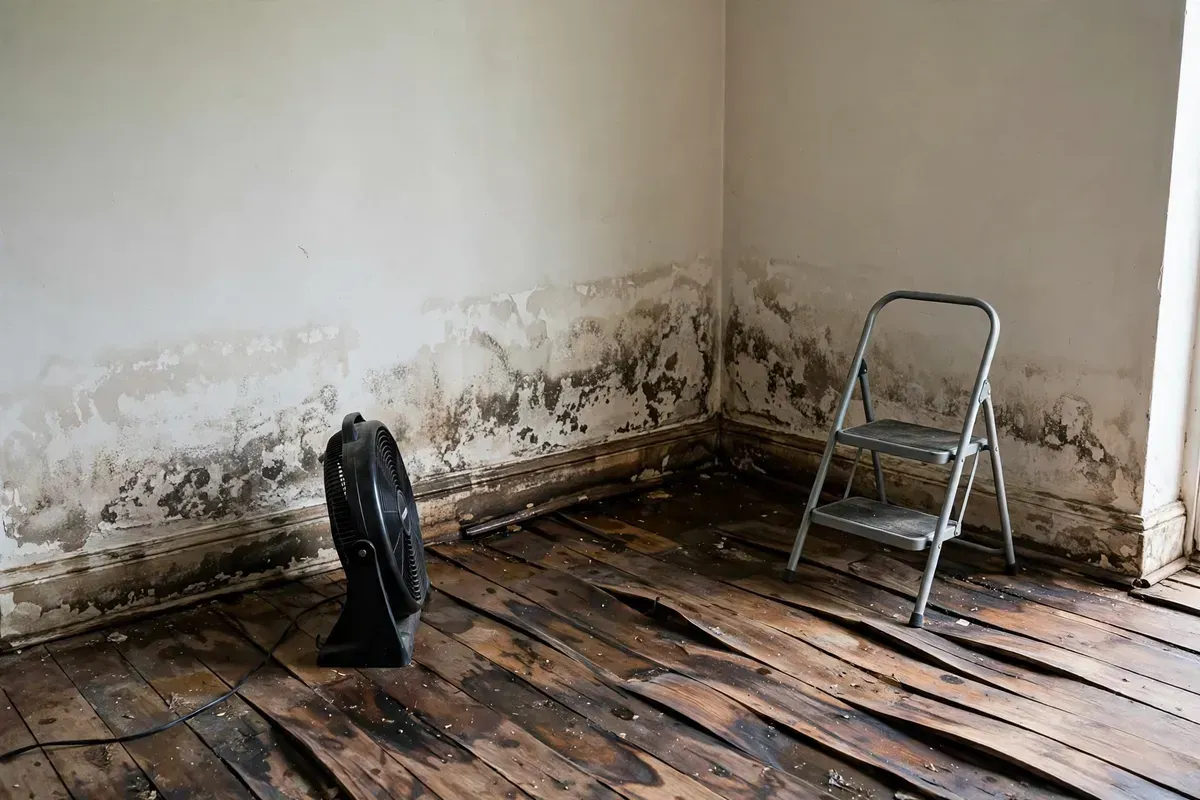
Strip a standard policy down to its plumbing logic and one distinction runs through everything. The damage water causes — soaked flooring, ruined drywall, the drying and restoration that follow — is the kind of loss insurance exists for, and the cost of tearing out and restoring access to reach the failed pipe is commonly treated as part of that damage. The failed pipe itself is different: repairing or replacing it is usually classed as maintenance of the plumbing, and it is commonly excluded even in an otherwise covered event. Homeowners who argue a claim as one bundled number spend their energy on the one figure a policy usually will not pay, while the figures it often will pay sit buried inside the total.
Sudden vs Gradual: The Classification That Decides Claims
The second distinction matters even more. A failure that happens as an event — the classic case is a burst line that floods a room in hours, or a fitting that lets go overnight — is the sudden pattern policies are built around. A pinhole that seeped behind a wall for a season, a joint that sweated until the framing softened, reads as gradual deterioration and wear, and that exclusion is the most common reason water claims are turned down. Same water, same damage, different classification — and the classification is made from evidence about timing. That is why documenting when a failure started is worth as much as documenting where it is: the timeline is half the argument.
The Evidence File: What to Gather Before You Call
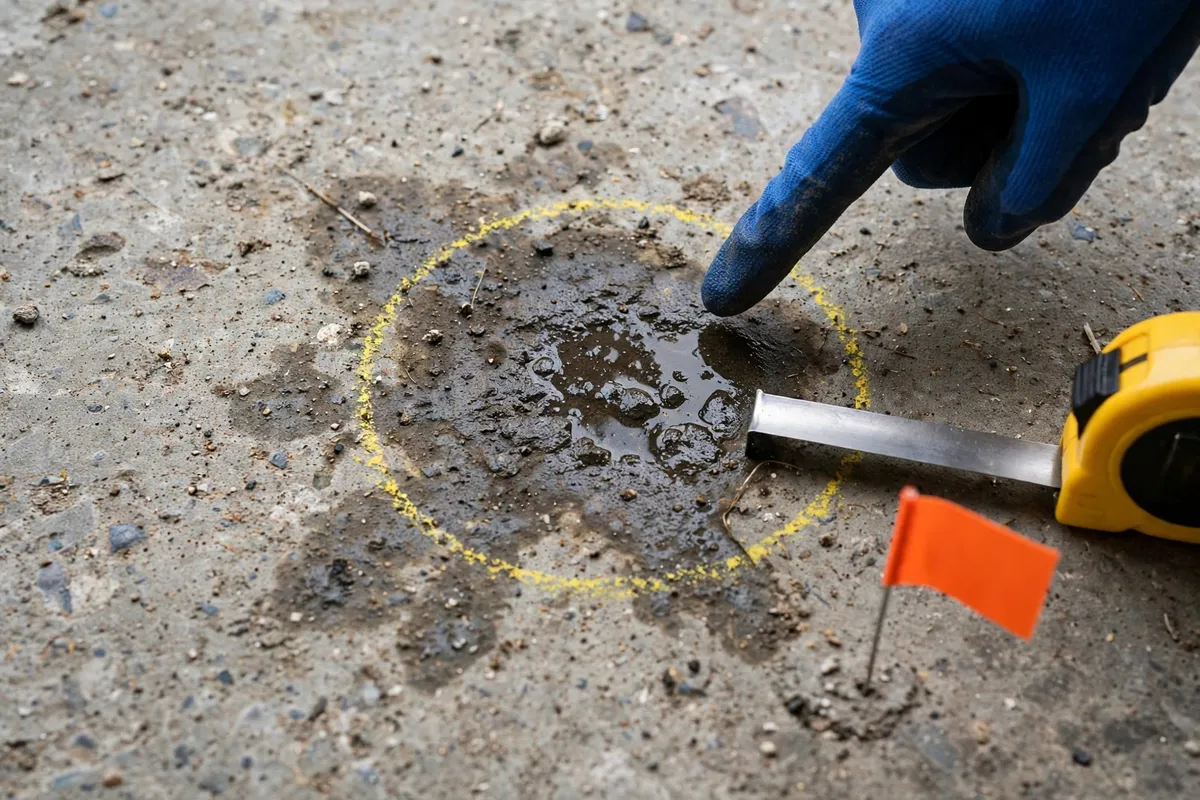
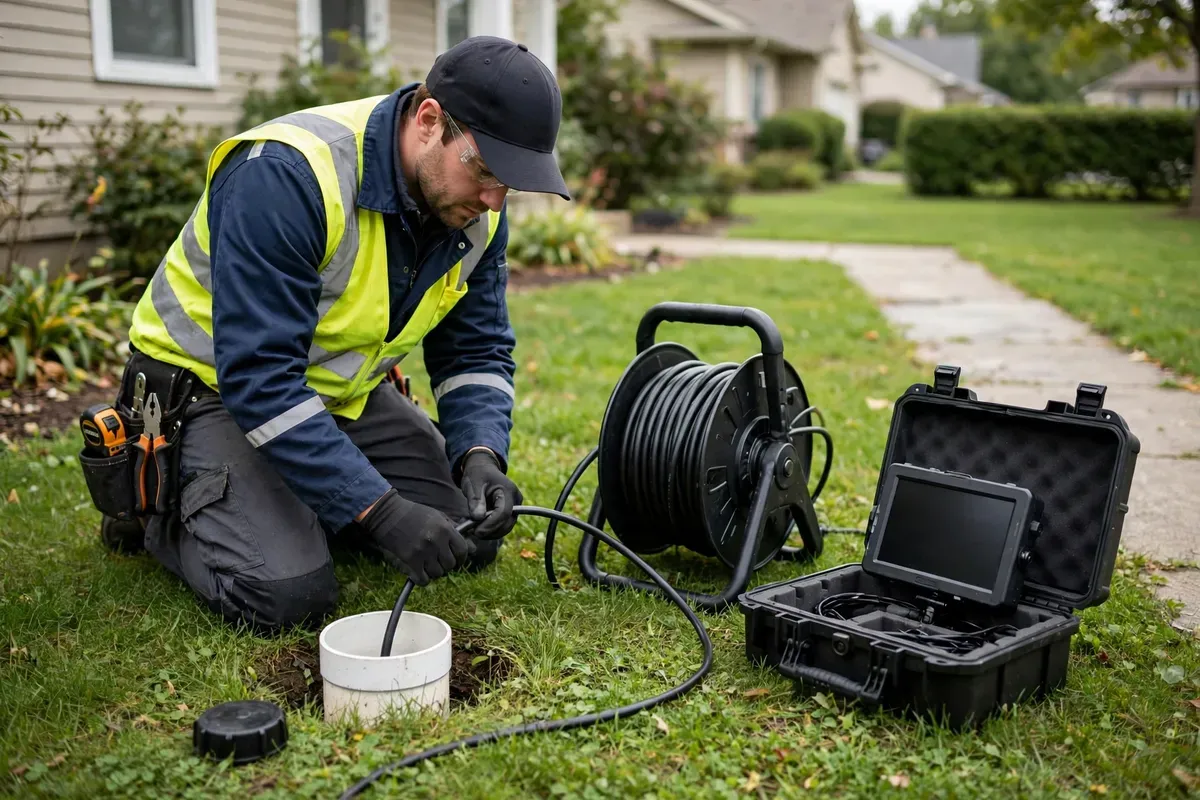
Build the file in the order an adjuster reads it. The written detection report comes first — it should name the source of the leak, describe the fault in plain terms, and record the readings behind the finding. Photographs and video come with it: the fault itself where it can be shown, the damage as it stood, and camera footage when a drain or sewer line is involved. The meter evidence — readings, photographs of the dial, and the hourly pattern from the City's My Water portal — dates the loss in a way memory cannot. The figures, separated: detection as one line, tear-out and access as a second, pipe repair as a third, each in ranges. Detection itself is priced in published tiers, and the figures in our cost guide show the shape of that first line. Finally, a short factual timeline: when you first noticed the signs, what you did, and when the water was stopped. Keep a copy of all of it — receipts, reports and every message — together in the same file.
Why the Report's Wording Carries the Claim
An adjuster was not in your kitchen when the pipe let go. What they assess is a document, and the document either describes an event or it describes a condition. Vague wording — "leak behind wall, some damage" — invites the gradual reading, because nothing in it establishes when anything happened. Precise wording gives the insurer something assessable: a named source, a described fault, readings and photographs, and a timeline that holds together. Keep the report, the photos and the video together as one file rather than scattered across phones and inboxes. And if you seek a second opinion on the repair, get it without sharing the first diagnosis — two independent reports that agree carry more weight than one report repeated.
Tear-Out and Access: The Covered Figure Hiding Inside the Total
Reaching a buried or in-wall pipe means opening concrete, cutting drywall or lifting flooring — and then restoring all of it afterwards. On a slab or in-wall job those access and restoration costs can exceed the pipe repair itself, and they are commonly the part of the bill a policy treats most favourably. Ask for the separation in writing before any work starts, from every company you talk to. It is the same discipline that makes slab repair options show concrete restoration as its own line: a bundled total hides exactly the figure an insurer is most likely to treat well, and leaves you arguing about one number instead of three clear ones.
If the Claim Is Denied
A denial is not the end of the paperwork — it is the start of a comparison. Ask for the denial in writing, with the specific policy wording it relies on, and set that wording against your detection report line by line. If the report documents a sudden event and the denial describes gradual deterioration, that written comparison is the basis for any further conversation with the insurer. A thin file leaves nothing to compare and nothing to stand on; a precise one gives you ground. None of this guarantees an outcome — your policy wording decides the rest — but it removes the most common reason a well-founded claim arrives weak: evidence that was never gathered while it existed.
Why Homeowners Choose Documentation Without Promises
This page promises nothing about any claim, and neither do we. What a detection visit controls is the quality of the evidence you carry into the conversation — and evidence gathered before the call is worth far more than evidence pieced together afterwards. It is also, homeowners tell us, the reason they book the visit before they ever dial the insurer.
- A report written for the file. Our findings record the source of the leak, the readings behind it and the damage it caused — the specific material an insurer asks for when sudden damage and tear-out are claimed.
- Sudden separated from gradual. The documentation distinguishes a failure that happened at a moment in time from wear that built over months — the very distinction policies themselves turn on.
- Figures kept apart on purpose. Locating and repair are quoted as separate jobs in ranges, matching how a claim separates the damage and the access from the pipe itself.
- No coaching, no promises. Our job ends at the evidence: findings written plainly, the figures kept separate, and the coverage decision left to your policy, where it belongs.
Leak Claim Documentation Questions, Answered
Will a homeowners policy pay for finding the leak?
That is set by your policy's own wording, and the wording is what counts. In general, policies commonly treat the resulting water damage and the tear-out needed to reach a pipe differently from the pipe repair itself — the damage and the access are the parts often covered, while the failed pipe is usually classed as maintenance. Whether a detection fee itself is included is a question to put to your insurer with the report in hand; no detection company can promise it.
What should a detection report include for an insurer?
The source of the leak, named plainly. Photographs or camera video of the fault. The timeline, recorded as far as it can honestly be established — when signs first appeared, what the meter showed, what testing found. And the figures kept separate: detection, tear-out and access, and pipe repair as distinct lines. An insurer reads that report for evidence of a sudden event versus gradual deterioration, so precise wording carries real weight.
Should I call my insurer before or after the detection visit?
Document first, then notify promptly — and check your own policy for any notification timing it requires rather than assuming a grace period exists. A detection visit produces the written evidence the claim conversation runs on, but the policy itself sets the deadlines. Gathering your report, photos and readings first means the first call to your insurer already answers the questions an adjuster asks.
Need the Report Before You Make the Call?
A claim conversation runs on evidence: a located leak, photographs and readings, and separated figures for detection, access and repair. One visit produces that file.
Call (650) 632-9185 Request a Quote