Leak Detection Stambaugh Heller Redwood City
Most leak detection Stambaugh Heller Redwood City calls begin the same way: a water bill that jumped, or a meter that will not sit still when everything in the house is off. Stambaugh Heller is a Redwood City neighbourhood shown on the City's neighbourhood-associations map, with homes built around the late 1960s — an age where supply lines corrode and quiet leaks begin. Our specialists find these leaks the non-invasive way: isolate the line, pressure test it, then pinpoint it with acoustic and thermal equipment before anyone opens a wall or a floor.
Stambaugh Heller's Homes — and the Plumbing Inside Them
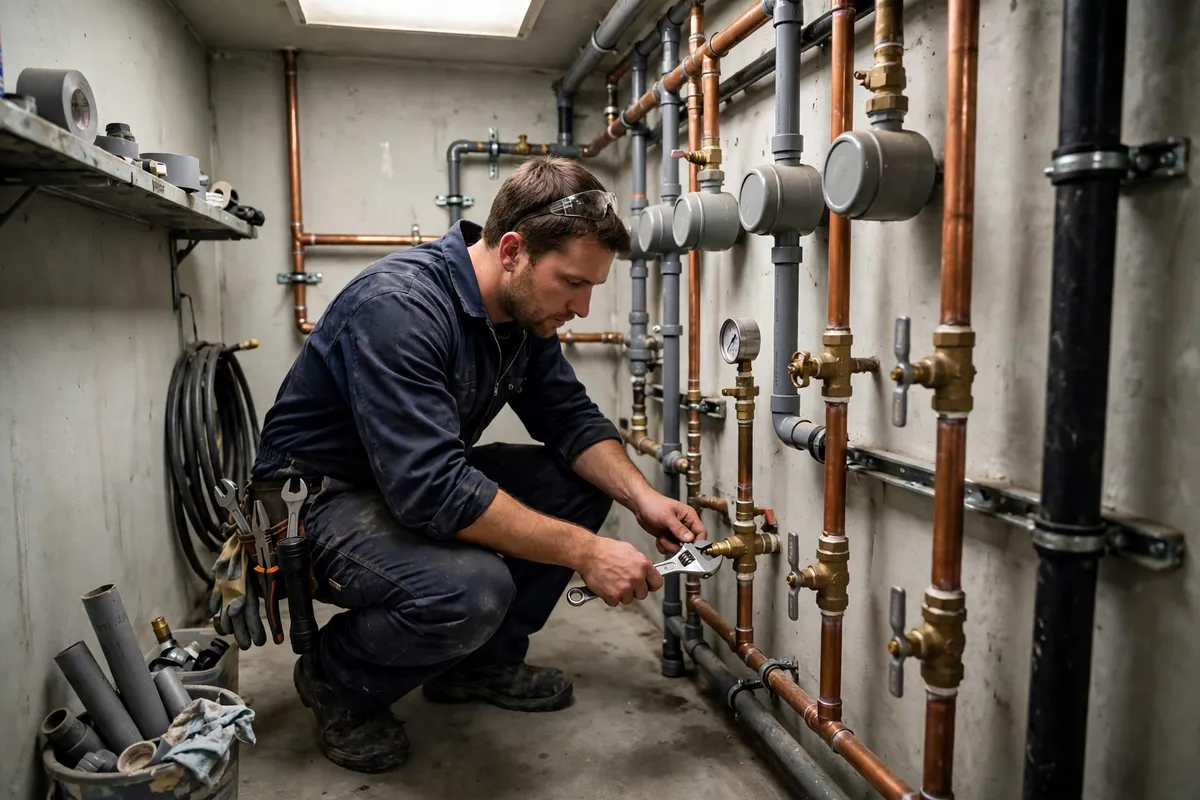
Stambaugh Heller's late-1960s homes most often leak at aging supply lines and at underground waste lines where joints have opened with age.
Stambaugh Heller is a Redwood City neighbourhood shown on the City's neighbourhood-associations map. Census-based demographics for the area — listed there under the alternate spelling “Staumbaugh Heller” — put the median year built at 1968, with 84.9% renters. Homes built around the late 1960s are now at the age where supply lines of that era corrode and thin, and underground waste lines of the same era develop the joint and root problems that cause quiet leaks. With most homes rented, a written detection report that documents the source matters for owners and tenants alike: it turns a vague warning about old pipes into evidence both sides can act on.
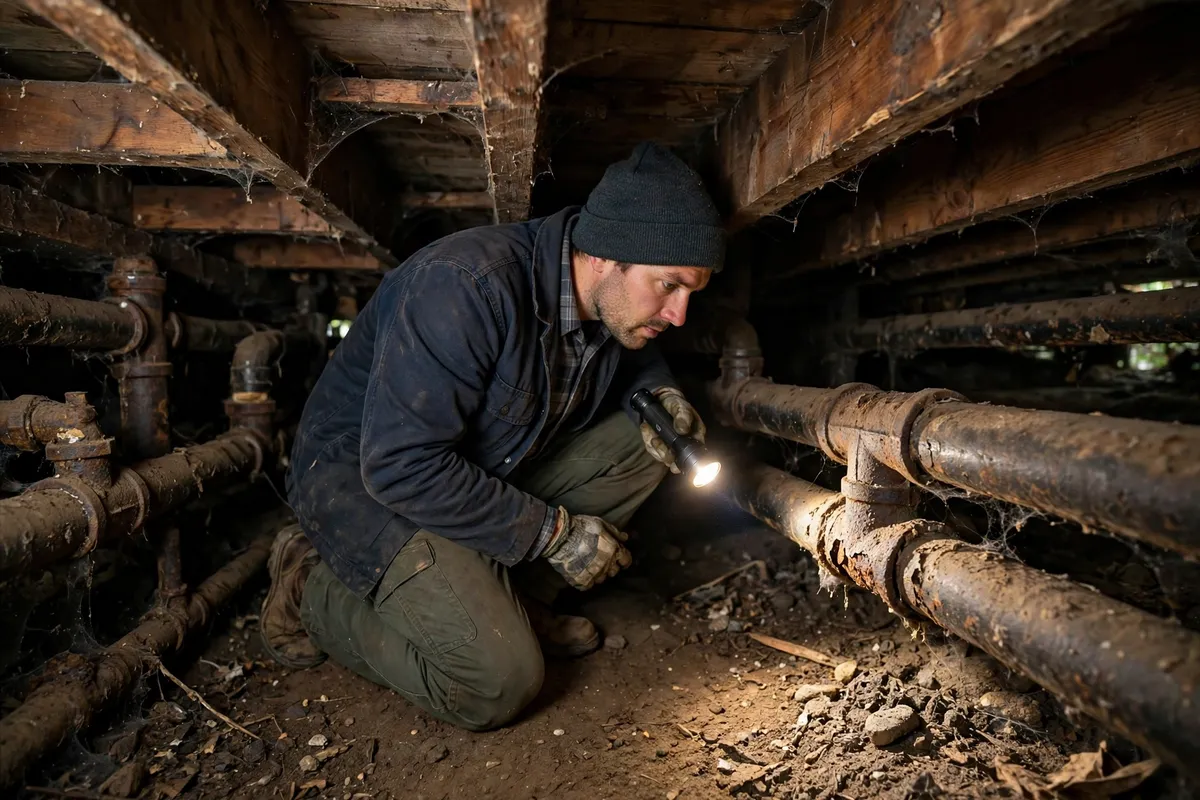
A slow leak in a home of this age rarely announces itself. It shows up as a bill that creeps, a drain that slows, a musty smell near a wall, or a damp patch that never quite dries. That is why detection here starts with listening and pressure testing, not with a saw: isolate the branch, prove which line is losing water, and only then mark the spot. Where a home has a crawl space, a slow underfloor leak can also drip out of sight for months, feeding mold and softening subfloor before a single symptom shows inside the house.
Serving Stambaugh Heller from Redwood City
Our office is at 280 Convention Way, Redwood City, CA 94063. When a Stambaugh Heller homeowner calls about a spinning meter or a damp wall, they are talking to a local crew that serves Redwood City homes — and knows what late-1960s supply lines look like when they fail.

Leak Detection Stambaugh Heller: The Problems We See Most in Local Homes
The pattern in Stambaugh Heller is consistent: supply lines of that era corroding, and aging underground waste lines letting roots in.
- Supply lines of that era corroding through — rusty water, low pressure and pinhole leaks at the threads
- Roots in aging underground waste lines — roots finding joints that have opened with age
- Yard service lines leaking underground — the run between the meter and the house, invisible until the bill arrives
- Leaks at older joints and tie-ins — joints giving way first as pipe ages
- Slow drains from scaled or cracked waste lines — drainage that slows before it blocks
- Hidden leaks with no indoor sign — a bill that creeps, or a yard that stays damp along the line's path
None of these announce themselves loudly. They show up as a bill that creeps, a drain that slows, a musty smell near a wall. Catching them at that stage — with a pinpoint, not a demolition — is the whole point of a proper detection visit.
One more Stambaugh Heller pattern deserves its own warning: the sewer lateral. The run from the house out to the city main is the homeowner's own pipe, and in late-1960s stock many of those laterals have been in the ground as long as the houses above them. Joints open a fraction, and roots move in — often years before a drain actually backs up. A lateral can leak quietly into the soil while every drain in the house still behaves, which is why a camera pass through the cleanout belongs in any Stambaugh Heller visit where drains have slowed or the yard stays damp along the line's path.
It is also why we hand you the footage along with the report. The advice homeowners trade after a bad plumbing surprise is consistent — ask for the video — and it is good advice. A written report with the camera findings, the pressure-test results and the marked locations turns a vague warning about old pipes into evidence: something you can price a repair against, or hand to an insurer if the leak has already done its damage.
Leak Detection Stambaugh Heller Services We Run
These are the Stambaugh Heller regulars. For the full picture of how a visit works, start with our Redwood City leak detection homepage.
Water Leak Detection
Hidden leaks in walls, ceilings and the underground run from the meter — traced without tearing the house apart.
More on our water leak detection service →Sewer Leak Detection
Camera inspection of drains and laterals, so you see the crack or the roots on screen before anyone digs.
More on sewer leak detection →Crawl Space Leak Detection
Underfloor leaks in homes with a crawl space, found from below before they rot the subfloor or feed mold.
More on crawl space leak detection →Stambaugh Heller in Redwood City
Stambaugh Heller appears on the City of Redwood City's neighbourhood-associations map, and its housing stock centres on the late 1960s. Like every other Redwood City neighbourhood on this site, it is served from our Convention Way office — same detection process, same written report, same ranges up front.
Other Redwood City neighborhoods we serve:
What a Leak Detection Stambaugh Heller Visit Looks Like in Your Home
A Stambaugh Heller visit follows the same order every time: meter test first, then branch-by-branch isolation, then a marked pinpoint and a written report.
We start outside, at the meter. With every faucet, toilet and appliance off, the meter's low-flow indicator settles the first question — is water escaping at all, and roughly how fast. If the house side is losing water, we shut the house valve and watch again. A meter that stops points the hunt indoors or under the floor; a meter that keeps moving points at the yard run between the street and the house. Ten quiet minutes at the curb can cut the search area in half before a single tool comes out of the truck.
Inside, the work goes branch by branch. Late-1960s plumbing means an older run may feed a later addition, so we isolate sections and pressure test each one. The branch that will not hold pressure is the branch that is leaking, and that proof matters in a house where more than one era of pipe may run through the same wall. Drains get the parallel treatment: a camera through the cleanout shows cracks and root joints on screen, in real time, with you watching the same footage we do.
Once the failing branch is known, the pinpoint itself is quick. Acoustic listening gear follows the sound of pressurized water escaping; a thermal camera confirms a hot-water leak by the warm pattern it leaves on a floor or wall. The spot is marked — on the floor, on the soil, on the pipe's traced line — and only then does the conversation turn to repair. The mark tells the repair exactly where to start.
You finish the visit with a written report: which line failed, where it is marked, what the camera and the gauges showed, and the repair options with their ranges. One practical note for work that grows out of a visit — replacing a drain line or repiping does require a plumbing permit in Redwood City, pulled through the Building Division at 1017 Middlefield Road, phone (650) 780-7350, and the finished work gets inspected. Pinpointing a leak needs no permit at all; nothing is altered by finding it.
Who Calls Us in Stambaugh Heller
With most homes here rented, the caller is often not the person who found the leak — and the written report has to speak to both sides of the tenancy.
Tenants who spot the symptoms first
A drain that slows, a bill that keeps creeping, a damp patch that never dries in a home built around 1968. Tenants call — or send their landlord to us — when the signs stop looking like quirks of an older place and start looking like a pipe giving way.
Owners and landlords acting on a report
A vague warning about old pipes helps nobody price a decision. These owners want the documented source: which supply line is thinning, which waste-line joint has opened, with the evidence a tenant can be shown and a repair approved against.
Managers covering several addresses
Late-1960s stock repeats its failures by pattern — the same vintage of pipe, the same joint and root problems. A file per address, with footage and findings in writing, keeps the next call from starting at zero.
Directions From Our Shop to Stambaugh Heller
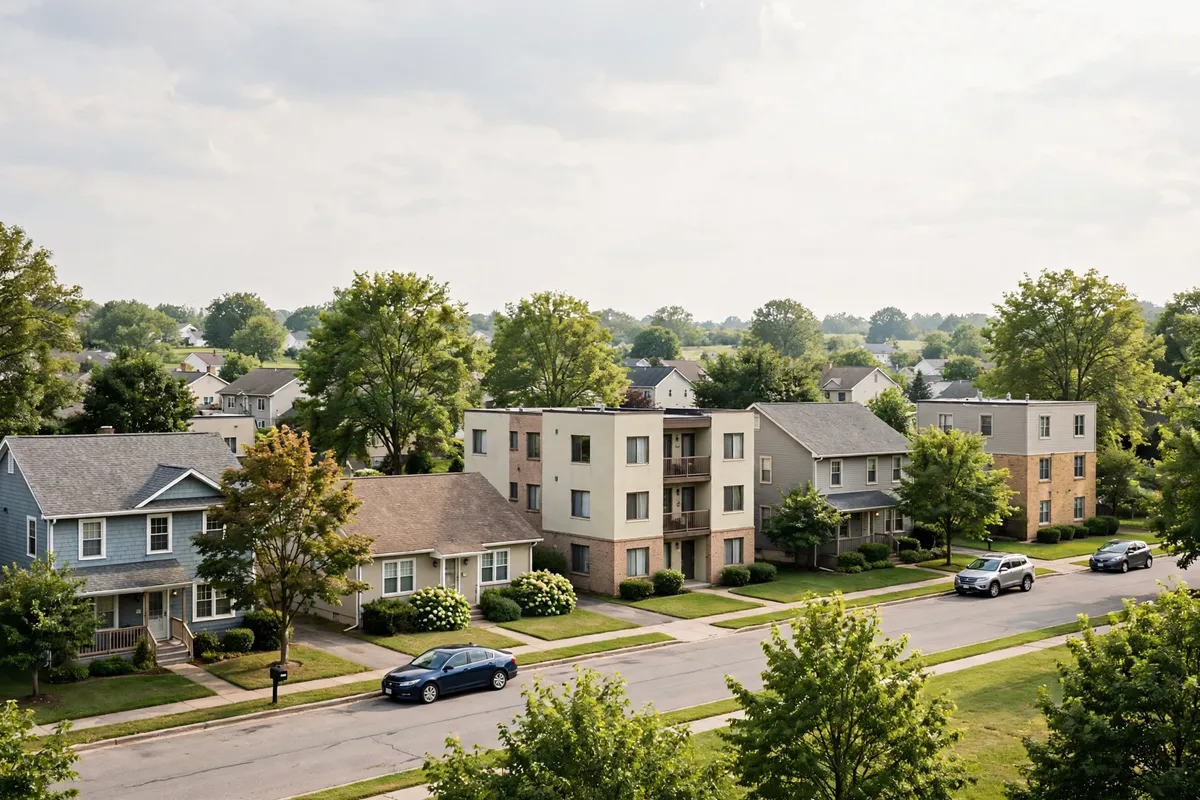
We are based at 280 Convention Way, just off Highway 101. This is the route our crew drives to reach homes in Stambaugh Heller — the same map you can use to see how close we are.
Leak Detection Stambaugh Heller Questions, Answered
Short answers first: most Stambaugh Heller leaks trace to aging supply lines or roots in aging waste lines, and detection pinpoints them before any digging.
Why do Stambaugh Heller homes seem to get more leaks than newer areas?
Stambaugh Heller homes were built around the late 1960s. Supply lines of that era are now past the age where corrosion starts to win, and underground waste lines are now old enough for joints to open and roots to enter. Each aging line is at or past the age where corrosion and root intrusion start to win, and every old joint is one more place that can fail.
Can you find a leak in an aging drain without digging up the yard?
Yes. A camera inspection through a cleanout shows us the inside of the drain or sewer lateral — cracks, root intrusion and offset joints — on screen. We see exactly where the problem is before anyone talks about digging, and you see the same footage we do.
How can I check for a leak myself before calling?
Turn off every faucet, toilet and appliance, then look at your water meter. If the low-flow indicator is still moving, water is escaping somewhere on the house side. Redwood City's My Water portal shows hourly usage too, which tells you whether the leak runs around the clock or only at certain times of day.
What does a detection visit cost for a Stambaugh Heller home?
A basic leak inspection typically runs $100–$300, electronic acoustic detection $300–$800, and slab or underground locating $500–$1,200. A late-1960s Stambaugh Heller home sometimes needs an extra line isolated and tested, and we tell you that up front. Detection is always quoted separately from the repair.
Will insurance help if a leak has damaged my floors or walls?
Often the resulting water damage and the cost of opening and restoring access are covered, while repairing the failed pipe itself usually is not, and slow gradual leaks are commonly denied. Every policy differs. Our written detection report documents the source and the damage, which makes the claim conversation with your insurer much easier.
There is a sewer smell in my yard, but the drains work fine. Should I still call?
Yes. A sewer smell outdoors, with drains that still run, usually means the lateral is leaking or venting through a crack or an open joint before it has deteriorated enough to block. A camera inspection through the cleanout, typically $271–$1,725 depending on the line and access, shows the crack, the roots or the offset joint on screen, so the repair can be aimed at the failed section only.
Do I need a permit for leak repair work in Redwood City?
Finding a leak needs no permit — nothing is altered by locating it. Larger work, such as replacing a drain line or repiping a home, does require a plumbing permit in Redwood City, pulled through the Building Division at 1017 Middlefield Road, phone (650) 780-7350, with an inspection when the work is complete. We tell you which category your repair falls into before any work starts.
How long does a visit take in a late-1960s Stambaugh Heller home?
Plan on one to three hours. Late-1960s plumbing takes a little longer to map, because each branch has to be isolated and tested separately to prove which one is losing water. You still finish with the same result: a marked location, the test results, and a written summary in your hand the same day.
Stambaugh Heller Leak? We Are Already in the Neighborhood.
One visit pinpoints the leak — in a supply line of that era, an aging drain or the yard run — and tells you exactly what fixing it will cost, in ranges, before you commit to anything.
Call (650) 632-9185 Request a Quote